
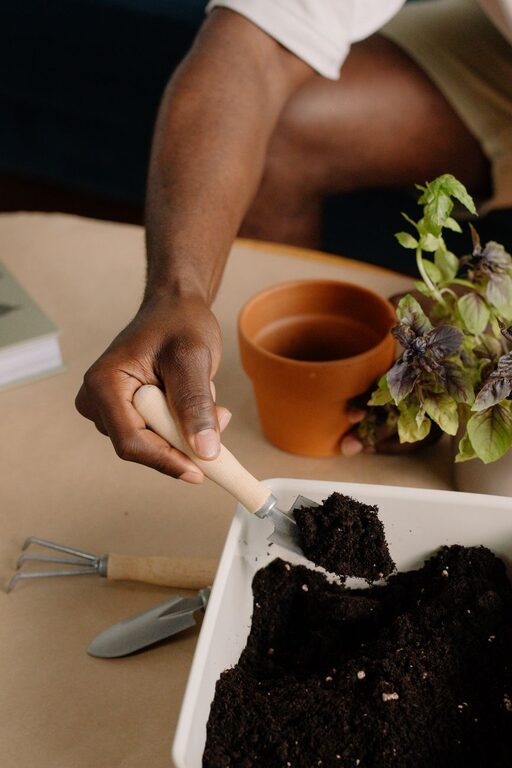
How to Start a Small Herb Garden Indoors: A Beginner’s Guide
Starting a small herb garden indoors is a rewarding and practical way to bring fresh flavors right into your kitchen. Whether you have limited outdoor space or want to enjoy fresh herbs year-round, growing your own herbs inside is easier than you might think. This guide will walk you through the essentials to get your indoor herb garden thriving.
Why Grow Herbs Indoors?
Indoor herb gardening is ideal for:
– Limited outdoor space or no garden at all
– Wanting fresh herbs anytime without store trips
– Adding natural beauty and pleasant aromas inside your home
– Engaging in a relaxing, low-maintenance hobby
Choosing the Right Herbs for Indoor Growing
Not all herbs thrive indoors equally, so picking ones suited for indoor environments is key. Here are some popular choices:
– Basil: Needs lots of light and warmth, great for cooking.
– Parsley: Versatile, prefers bright but indirect light.
– Chives: Easy to grow, love sunny windowsills.
– Mint: Thrives indoors but can spread quickly, so keep it in its own pot.
– Thyme: Requires bright light and well-draining soil.
– Oregano: Prefers bright light and moderate watering.
– Cilantro: Likes cooler temperatures and bright light.
Starting with two to four different herbs is manageable for beginners.
What You’ll Need to Start
Gather these basic supplies before you begin:
– Containers: Small pots or containers with drainage holes
– Potting soil: Use a light, well-draining mix specifically for indoor plants
– Seeds or starter plants: Starter plants are easier for beginners
– Watering can or spray bottle
– A sunny spot: A south-facing window or a spot with at least 6 hours of sunlight per day
– Optional grow lights: For rooms with limited natural light
Setting Up Your Indoor Herb Garden
Step 1: Choose Your Containers
Select pots that provide good drainage to avoid waterlogged roots. You can use ceramic, plastic, or even recycled containers—but make sure they have holes at the bottom. Consider using saucers to catch excess water.
Step 2: Add Quality Potting Soil
Fill each pot with fresh potting soil designed for indoor plants. Avoid heavy garden soil, which can retain too much moisture and limit airflow.
Step 3: Plant Your Herbs
If using seeds, follow packet instructions for planting depth and spacing. For starter plants, gently loosen the roots and place them into the soil, filling around them and pressing lightly.
Step 4: Water Wisely
Water your herbs gently after planting to settle the soil, but don’t soak. Herbs prefer soil that is moist but not soggy. A good rule is to water when the top inch of soil feels dry.
Caring for Your Indoor Herbs
Light Requirements
Most herbs need 6 or more hours of light daily. Place your pots in a bright window. If sunlight is limited, supplement with fluorescent or LED grow lights for 10-12 hours a day.
Watering Tips
Indoor herbs don’t need as much water as outdoor plants. Check soil moisture regularly and avoid letting pots sit in water. Overwatering is a common mistake that leads to root rot.
Feeding Your Herbs
Use a balanced, water-soluble fertilizer once a month during the growing season. Dilute it to half the recommended strength to avoid overfeeding.
Pruning and Harvesting
Regular pruning encourages bushier growth. Pinch off leaves from the top rather than the bottom, and harvest sparingly to keep plants healthy.
Troubleshooting Common Issues
– Yellowing leaves: Often a sign of overwatering or poor drainage.
– Leggy plants: Not enough light; try moving herbs to a sunnier spot or use grow lights.
– Pests: Indoor plants can occasionally attract aphids or spider mites. Wipe leaves gently or use insecticidal soap if needed.
– Wilting: Could indicate underwatering or root problems.
Tips for a Successful Herb Garden Indoors
– Rotate pots regularly to ensure even light exposure and growth.
– Clean leaves occasionally to remove dust and help plants breathe.
– Use fresh herbs quickly for best flavor.
– Experiment with different herbs and growing methods to find what works best for you.
Conclusion
With just a few pots, some quality soil, and the right spot in your home, you can enjoy a thriving indoor herb garden. Beyond enhancing your cooking and home environment, growing herbs offers a satisfying hobby that connects you with nature. Start small, be patient, and enjoy fresh herbs all year long!
